


Login / Register
Save searches and listings, create email alerts, and see rent averages by neighborhood
— Or sign in with Google —
Please enter your info below
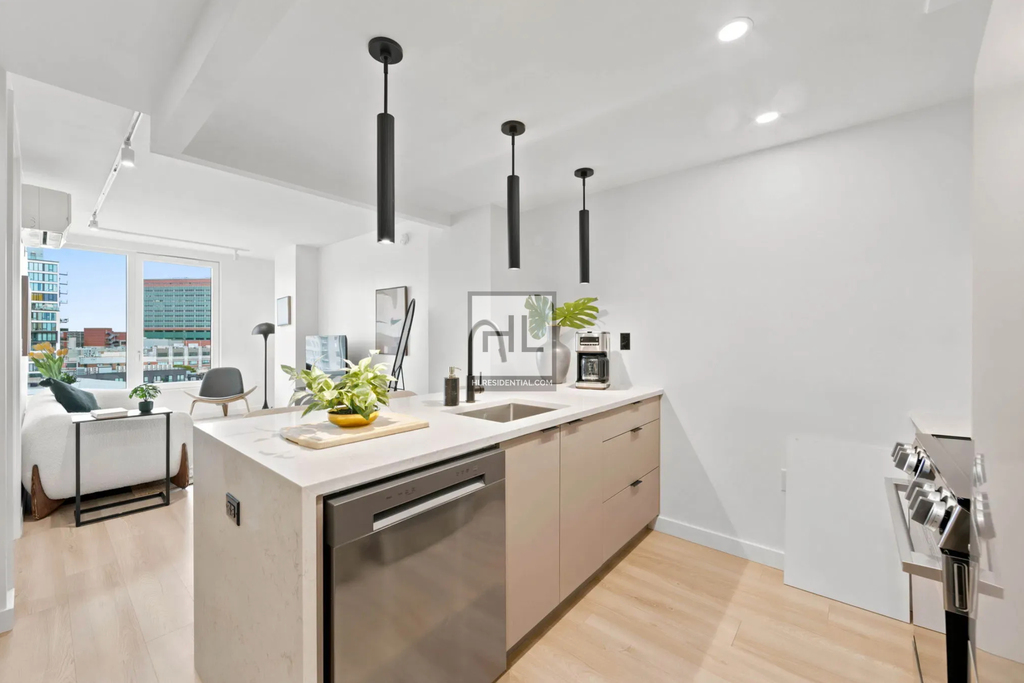
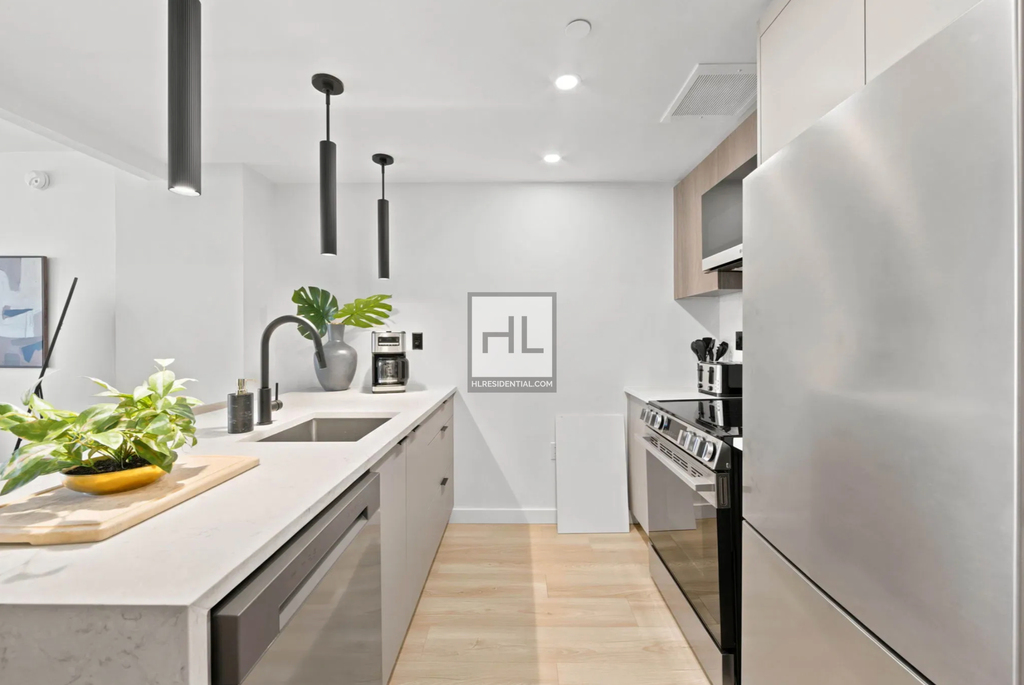
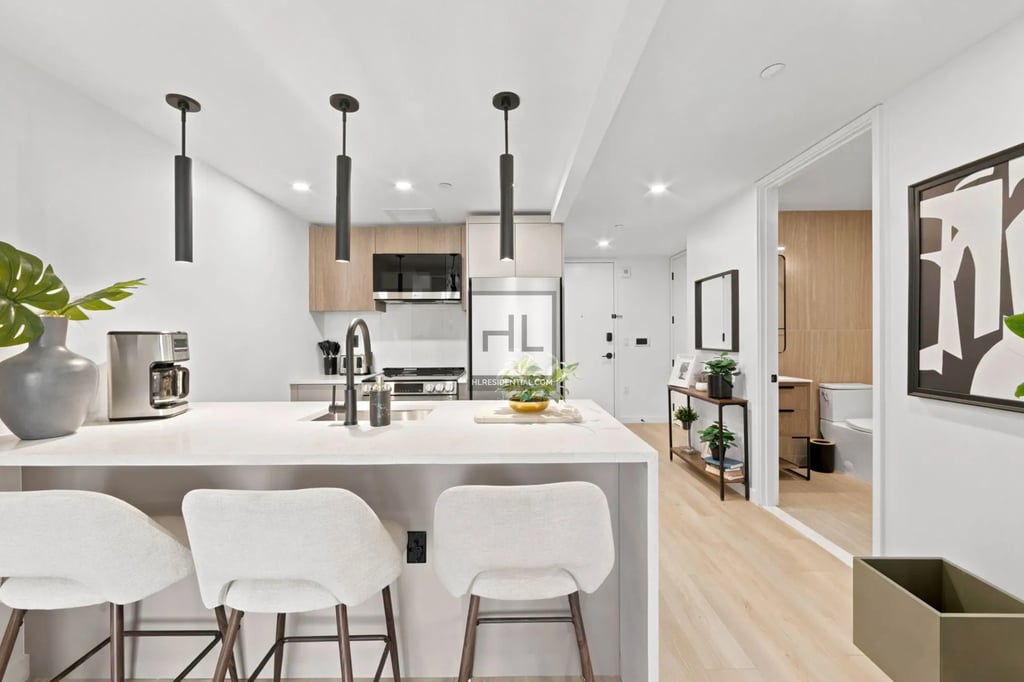


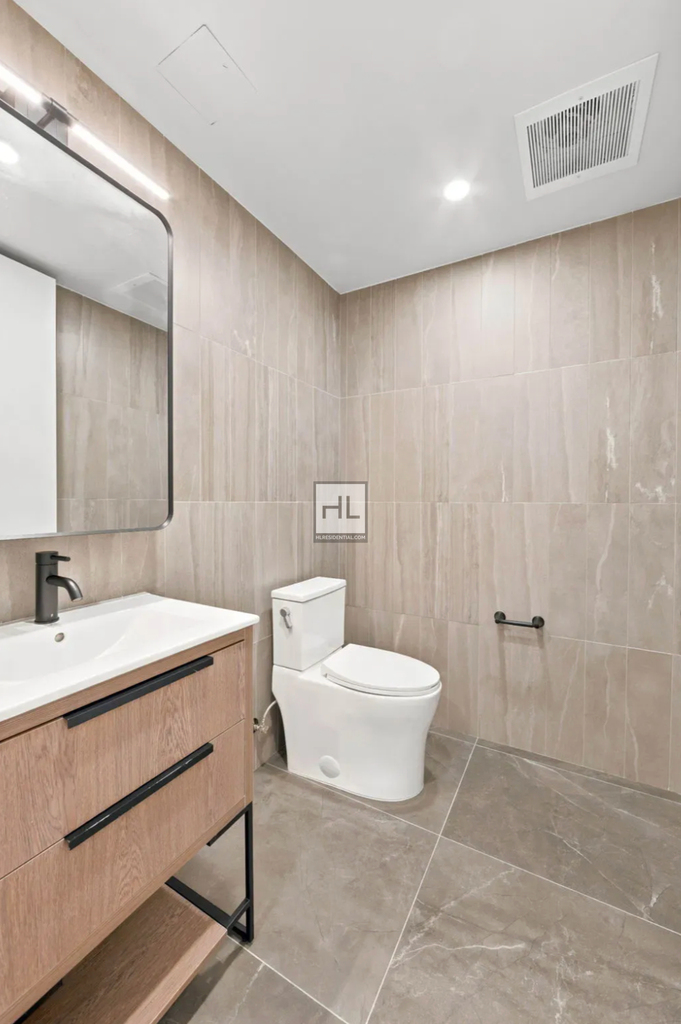





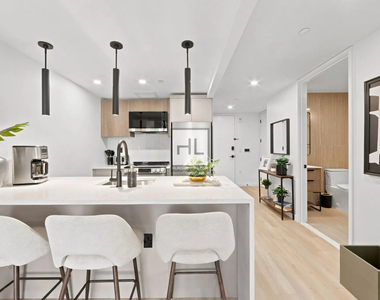
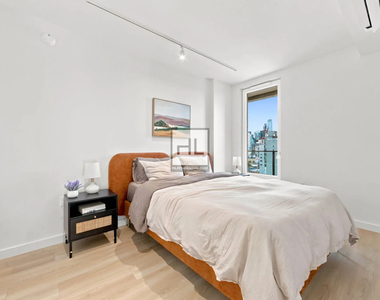
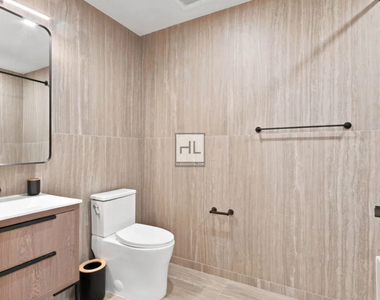
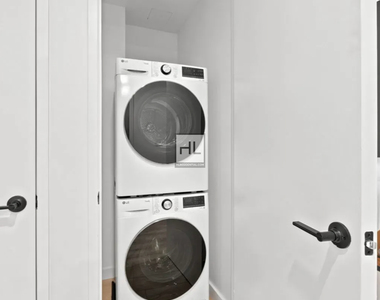
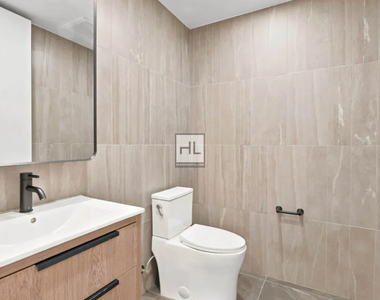
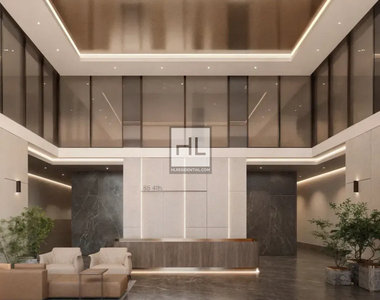
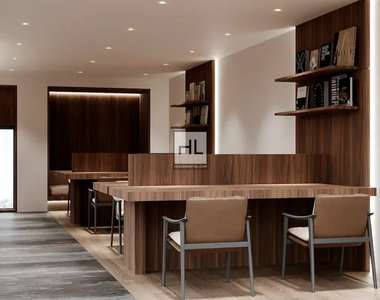

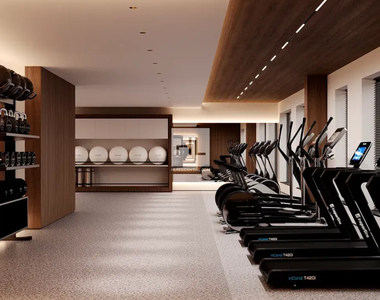



Gorgeous 1-Bedroom, 1.5-Bath Home at SOLACE
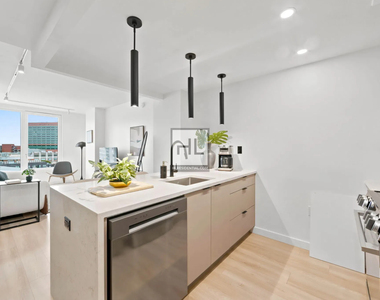
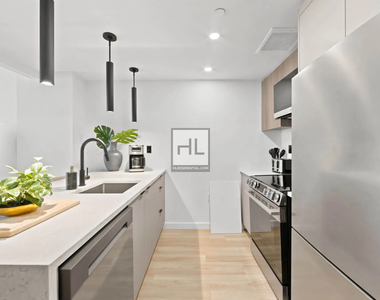
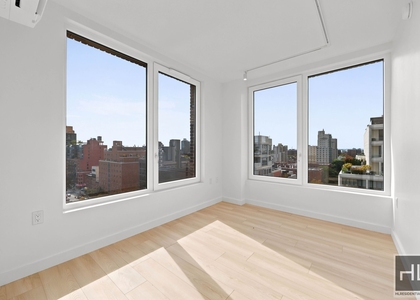
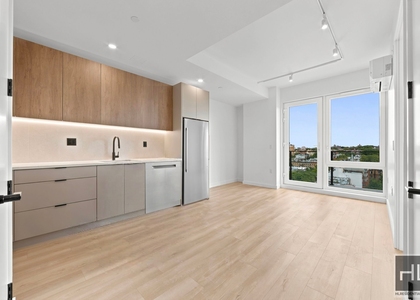
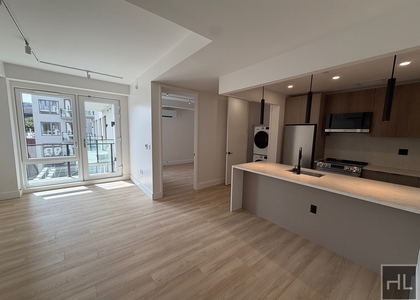
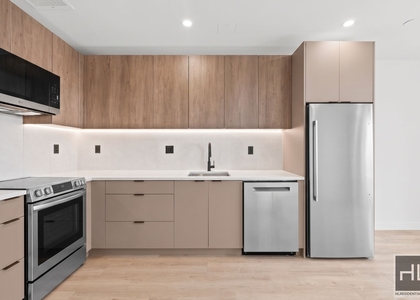
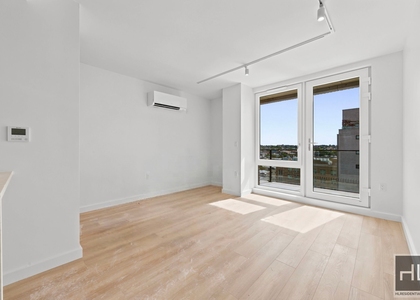
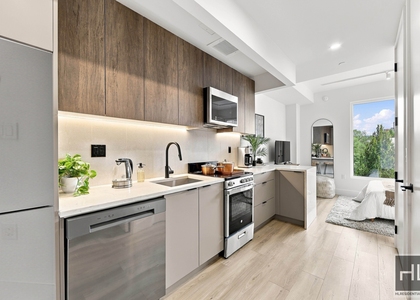
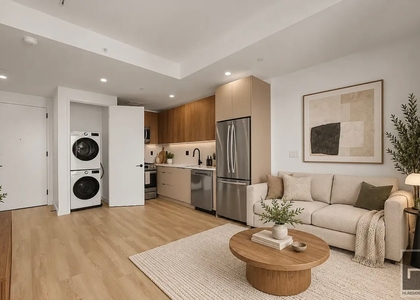
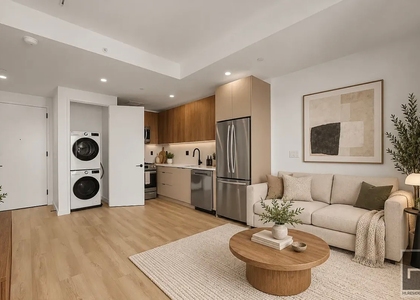
Welcome to SOLACE, a new 18-story residential tower at 74 St. Marks Place, where Park Slope meets Boerum Hill. This one-bedroom, one-and-a-half-bath home offers an open layout, hardwood floors, generous natural light, and a washer and dryer in the apartment. The kitchen features name-brand appliances and premium countertops, while integrated air conditioning, smart heating and cooling controls, and a video intercom add everyday convenience.
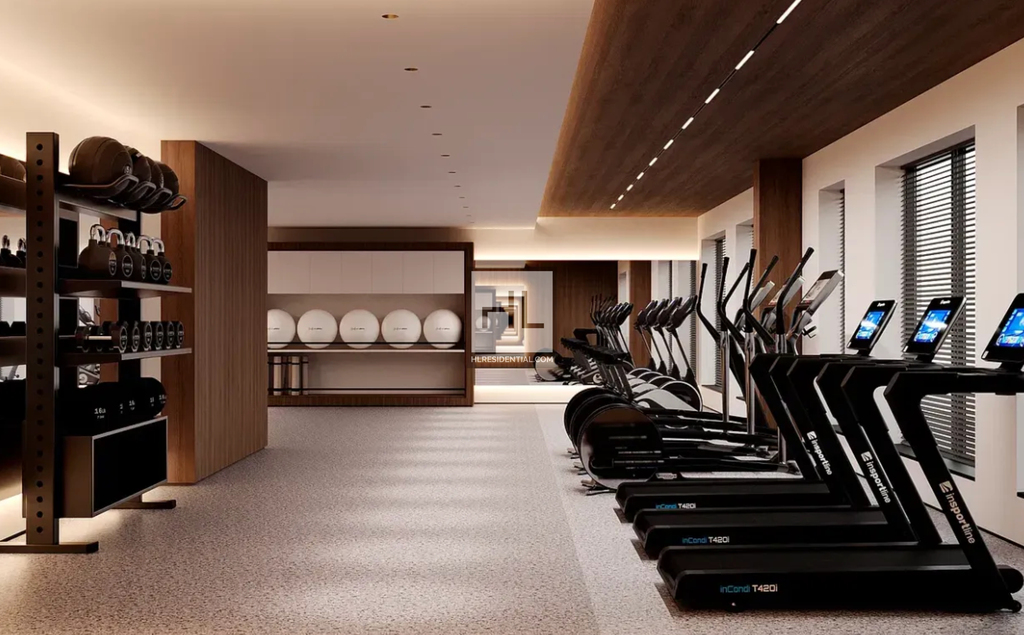
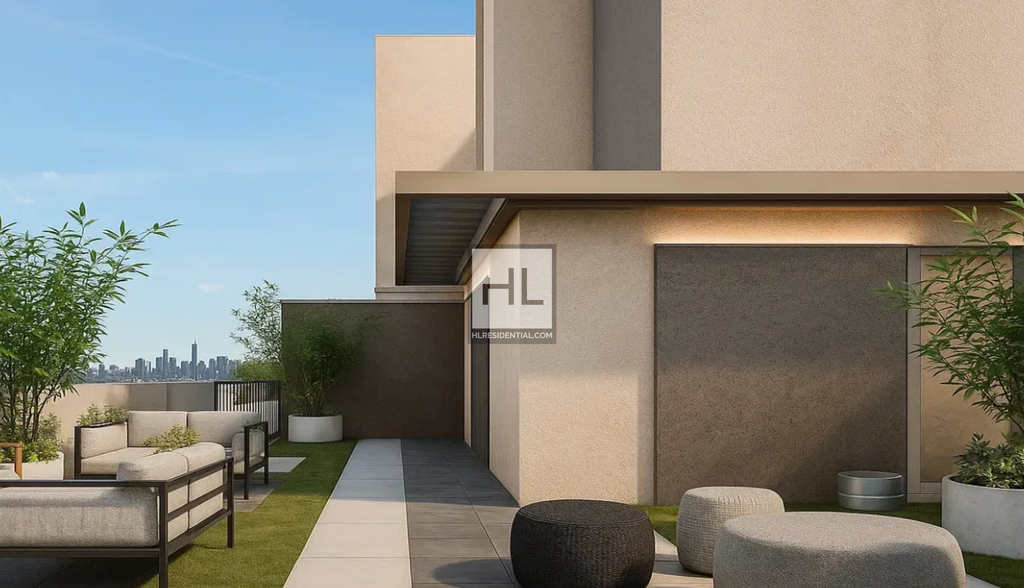
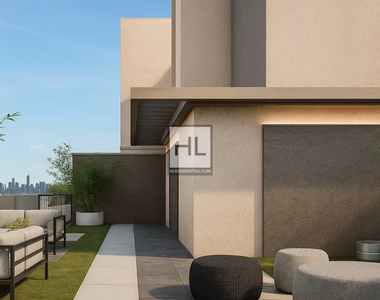
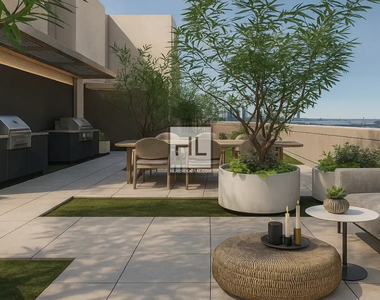
SOLACE's 247 residences are complemented by a gym, Pilates studio with reformers, pet spa, library, coworking space, event space, resident lounge, roof deck, golf simulator, and bike room. The building is green certified, with high-efficiency homes.
At the corner of St. Marks Place and Fourth Avenue, SOLACE is close to the restaurants and shops of Fifth Avenue and Atlantic Avenue, with Prospect Park a short distance away. Atlantic Avenue-Barclays Center and Atlantic Terminal provide access to the B, D, N, Q, R, 2, 3, 4, and 5 trains, plus the LIRR.
Residents are responsible for electricity, including the stove and heating. Hot water is charged at a fixed monthly rate of $50-$75, depending on the home. Dogs and cats up to 65 pounds are welcome.
On the west side of Prospect Park, wedged between Prospect Heights and Gowanus, lies Park Slope, the chill neighborhood beloved by young professionals and artists. This quiet neighborhood is full of fun bars, restaurants, and unique stores, all of which make living here a lot of fun.
Park Slope started out its life as many New York neighborhoods did: as farmland. However, this farmland would soon see trouble, as it was where the majority of The Battle of Long Island was fought during the American Revolution. After the war, Park Slope would remain farmland until roughly 1839, when the Brooklyn grid system was drawn up. Farmers sold their land to the new city of Brooklyn and row houses were soon built.
Park Slope was slow to develop since the area was hard to get to in the 1800's. The neighborhood itself didn't see much construction until the 1840's and 50's. However, Prospect Park was soon in development in the 1860's and 70's, leading to an…
| ▲ | Features and amenities are properly noted |
| ▲ | RentHop has data for this building |
| ▲ | Manager has completed a RentHop bio page. |
| ▲ | Manager has many listings with high listing quality! |




 Your Privacy Choices
